How We Work
Most of a good repair happens before the paint.
The paint is the part everyone sees — but it's the estimate, the hidden-damage check, and the frame work that decide whether your car is actually safe and right again. Here's how we work.
Stage 01
Estimate & Damage Assessment
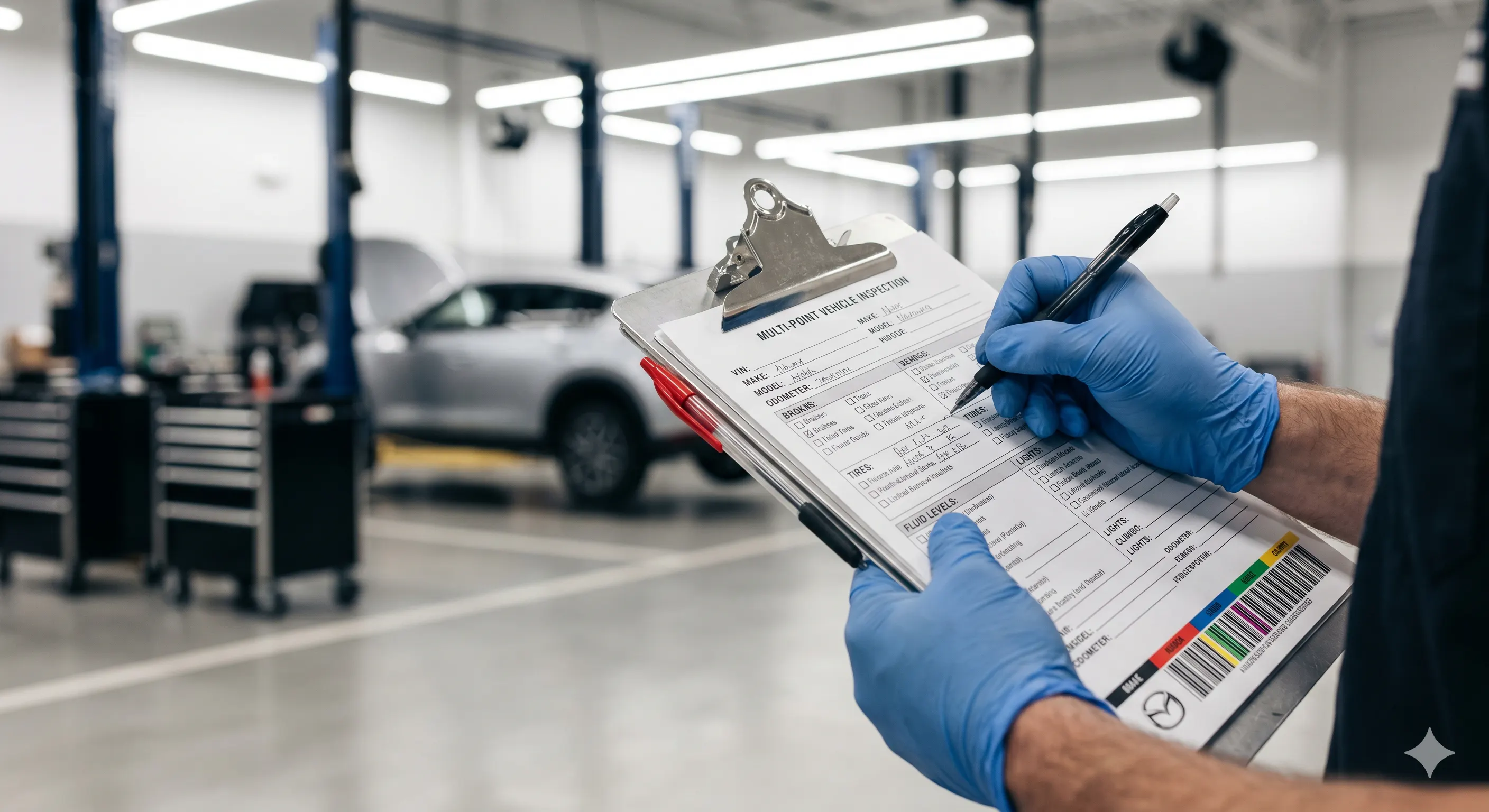
We look the car over carefully and write you a free, detailed estimate. We photograph the damage from every angle and note anything that will need a closer look once we're in.
This is also when we tell you straight what the repair involves and roughly how long it will take — no surprises later.
Stage 02
Insurance & Parts
If there's a claim, we handle it — we send the documentation to your insurance company and work with your adjuster directly so you don't have to chase paperwork.
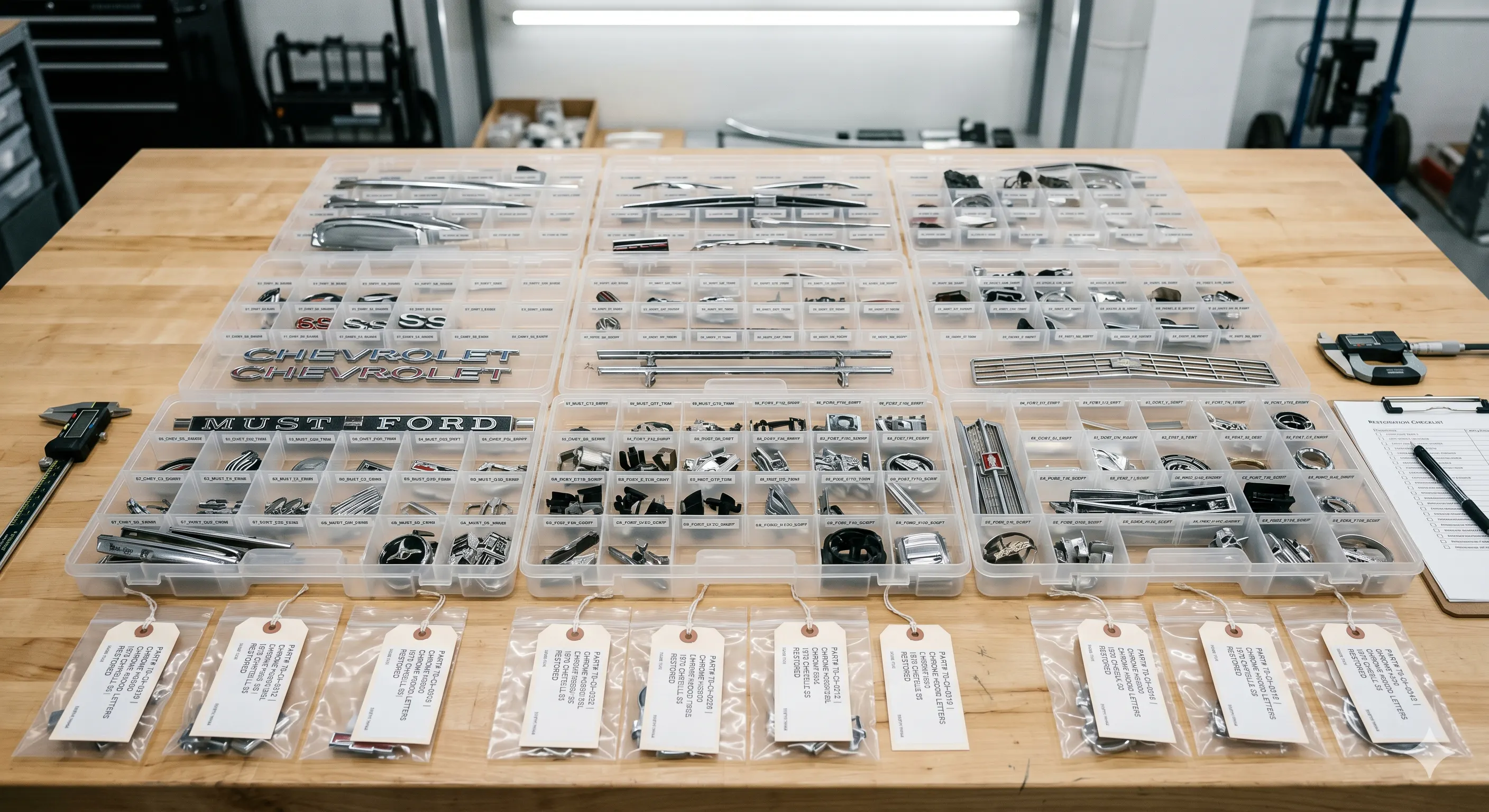
Once the repair is approved, we order the right parts so everything is on hand before teardown starts.
Stage 03
Teardown & Hidden Damage
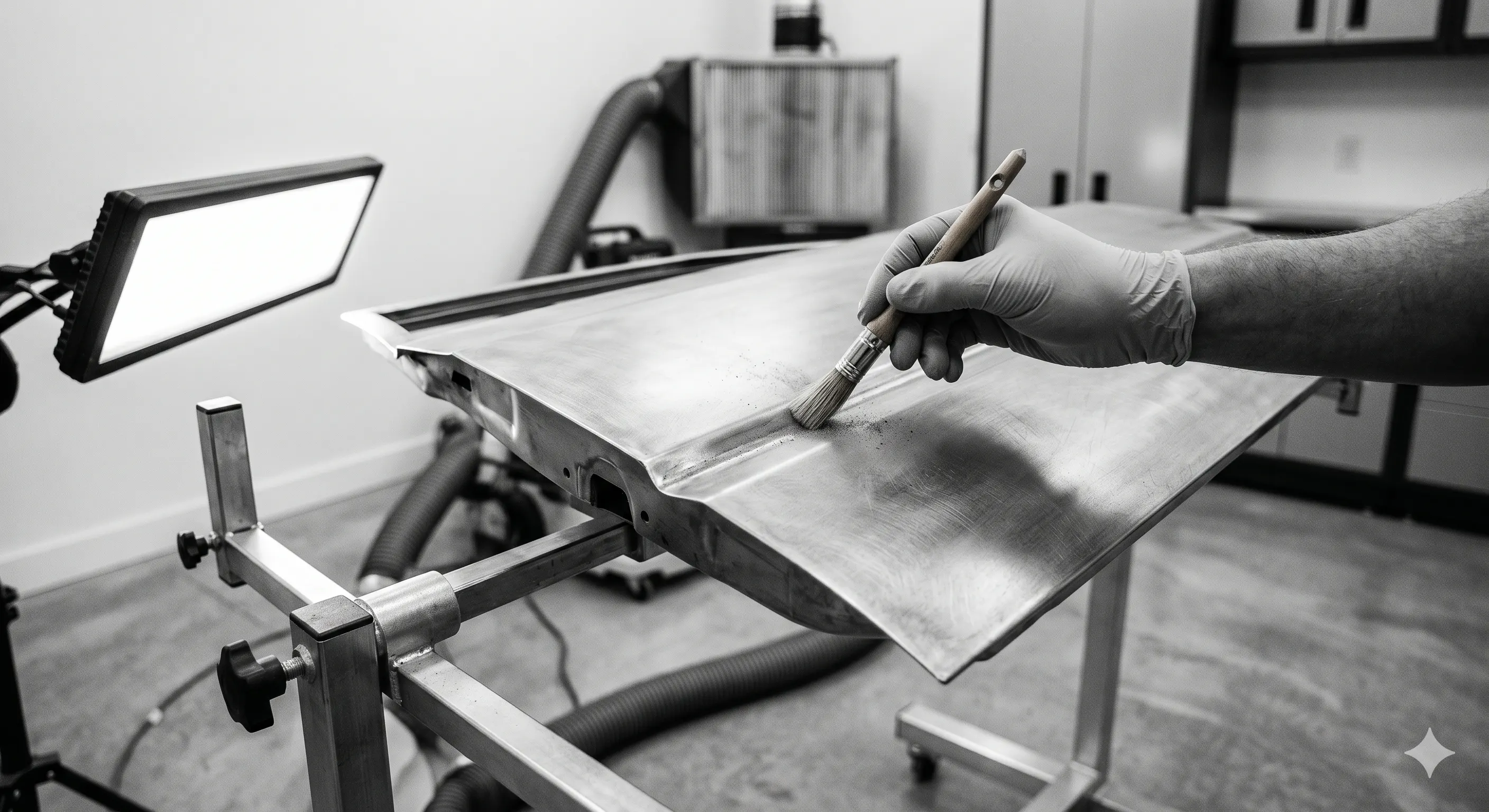
We remove the damaged panels and trim so we can see everything. Accident damage almost always hides more behind the surface — bent brackets, cracked mounts, kinked structure.
If we find damage the estimate didn't cover, we document it and get it approved before we go further. You always know what's being fixed and why.
Stage 04
Body & Frame Repair
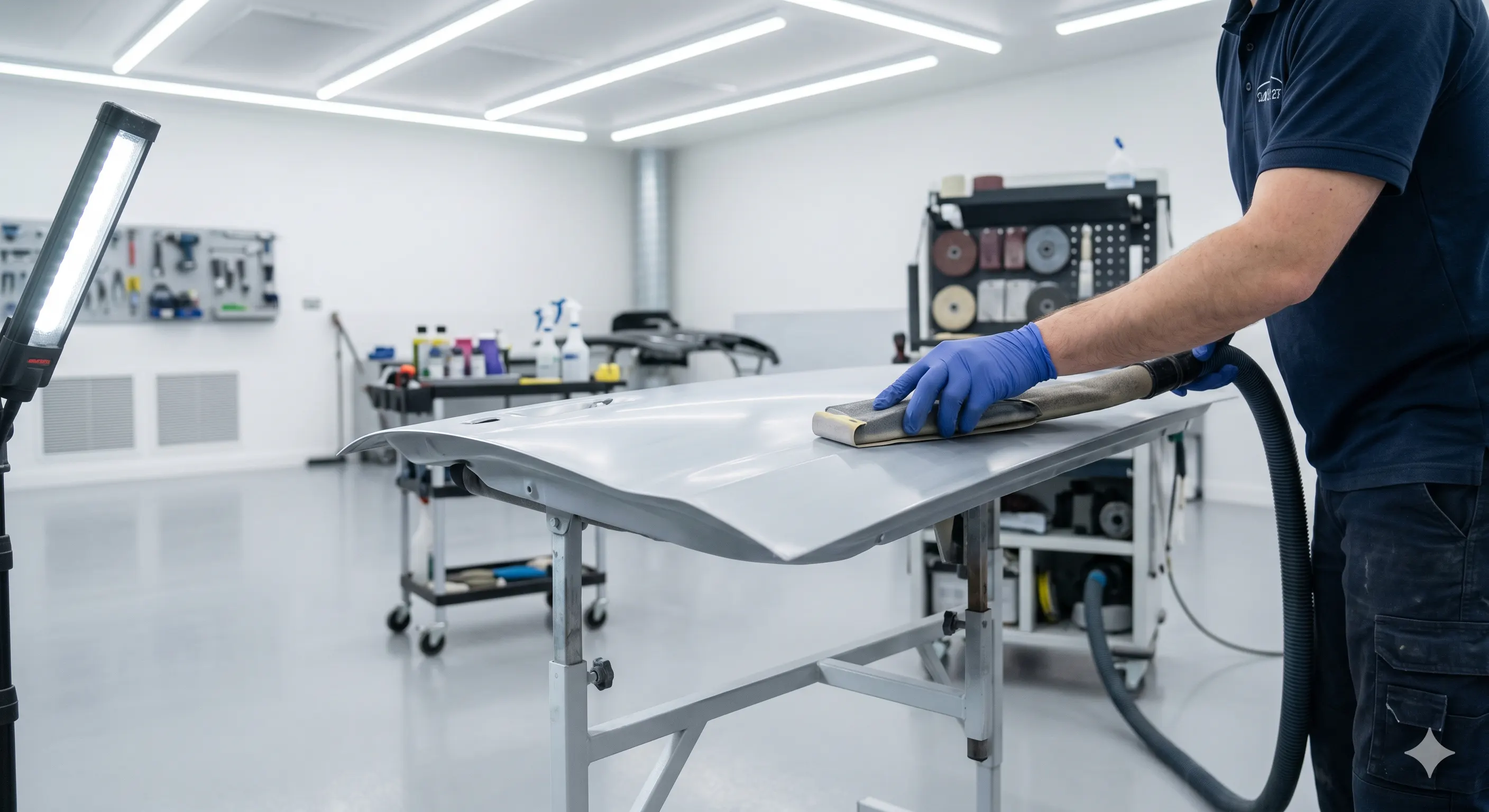
Panels are straightened or replaced, and the frame or unibody is pulled back to factory specification on our equipment — because a car that isn't straight underneath won't drive right or wear its tires evenly, no matter how good the paint looks.
Everything is prepped and sanded flat so the new paint lays down clean.
Stage 05
Paint & Blend
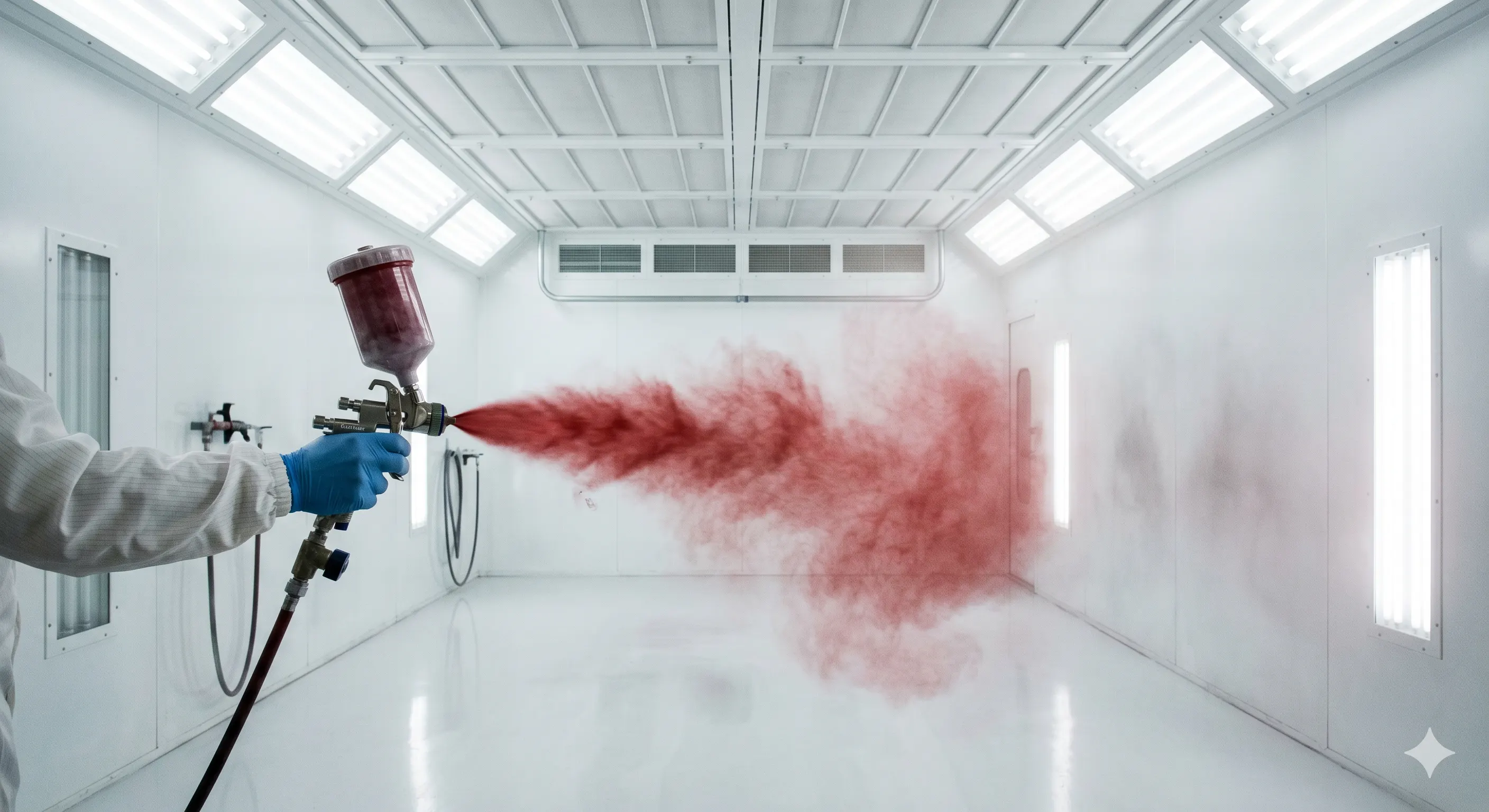
We match your exact factory color with computerized paint mixing, then spray it in an enclosed booth so dust and contamination stay out of the finish.
Repairs are blended into the surrounding panels so the fix disappears instead of standing out as a slightly-off patch.
Stage 06
Clear & Cure
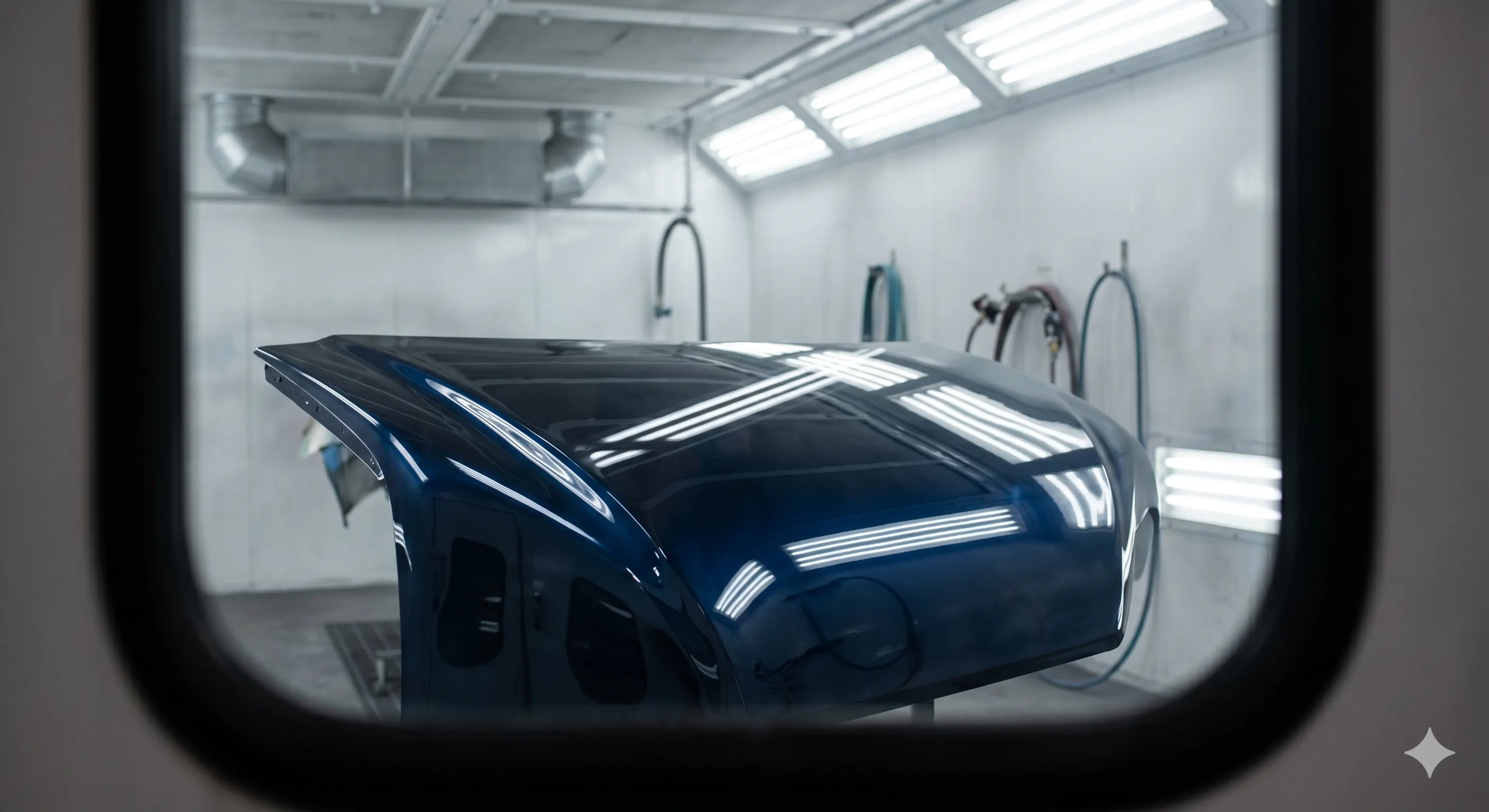
Clear coat goes on over the color and is baked at a controlled temperature to fully cure, so the finish is hard, glossy, and built to last.
We let the paint fully cure before final assembly so it holds up to weather, washing, and time.
Stage 07
Reassembly & Quality Check
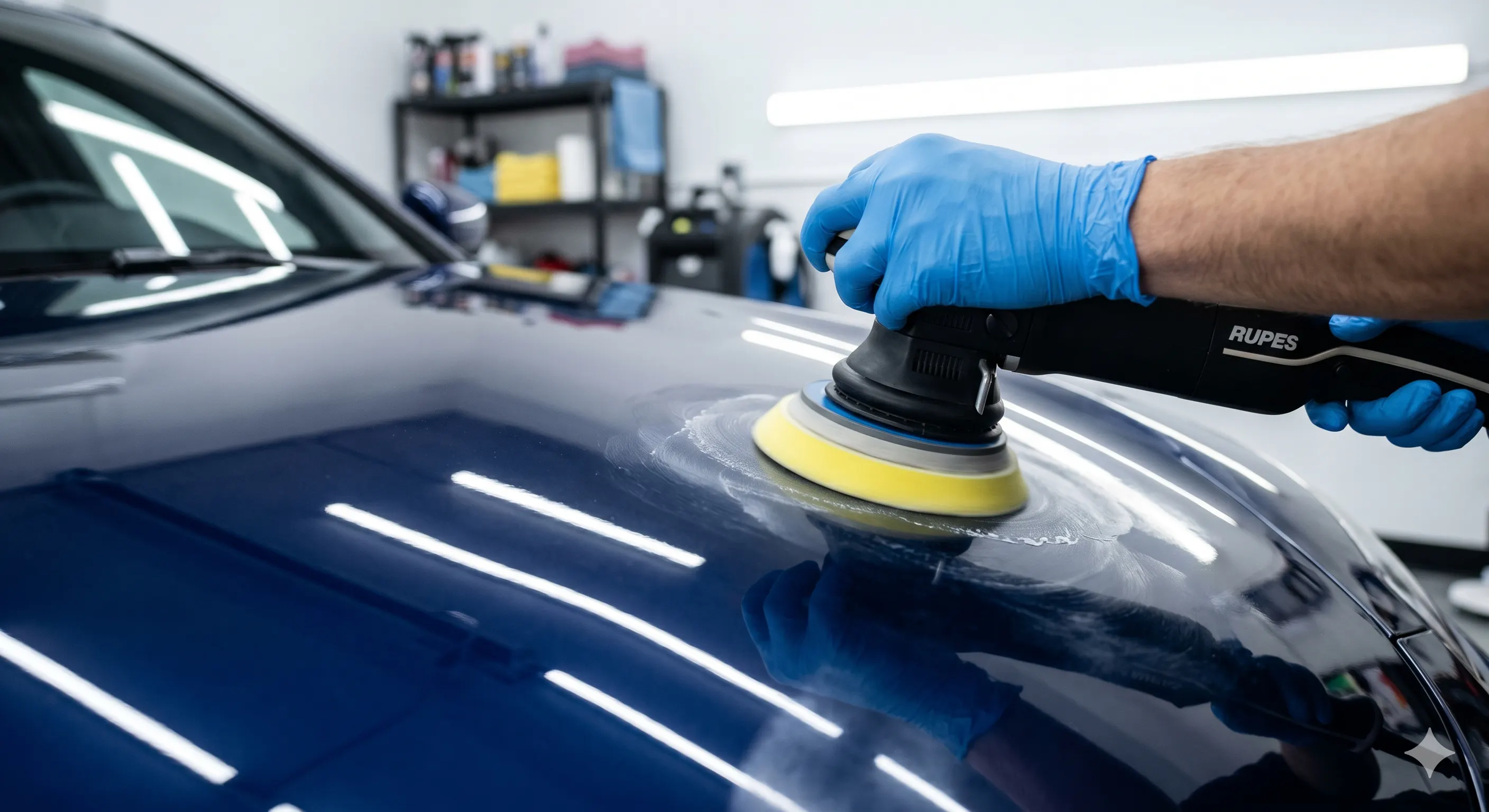
Everything goes back together — panels aligned, hardware torqued, lights and sensors checked. We road-test the car to make sure it drives the way it should.
Then a final inspection and a wash, and your car is ready. Our workmanship is backed by a written warranty.
Before You Drive Away
Final Check & Handover
Before your car goes back to you, we road-test it, re-check the alignment and all the lights and sensors, and give it a full wash and detail so it leaves looking its best — not just repaired.
We walk you through exactly what was done, hand over the paperwork for your records and your insurance, and back our workmanship with a written warranty.
Ready to Start?
Ready to start a project?
Every project begins with a conversation. Tell us about your car and we'll come back to you within two business days.